PCI DSS Explained

If you take card payments, you need to be PCI compliant to protect your customers and business reputation.

Shield
Required for organisations processing card payments
Shield
Sets security controls to prevent fraud and data breaches
Overview

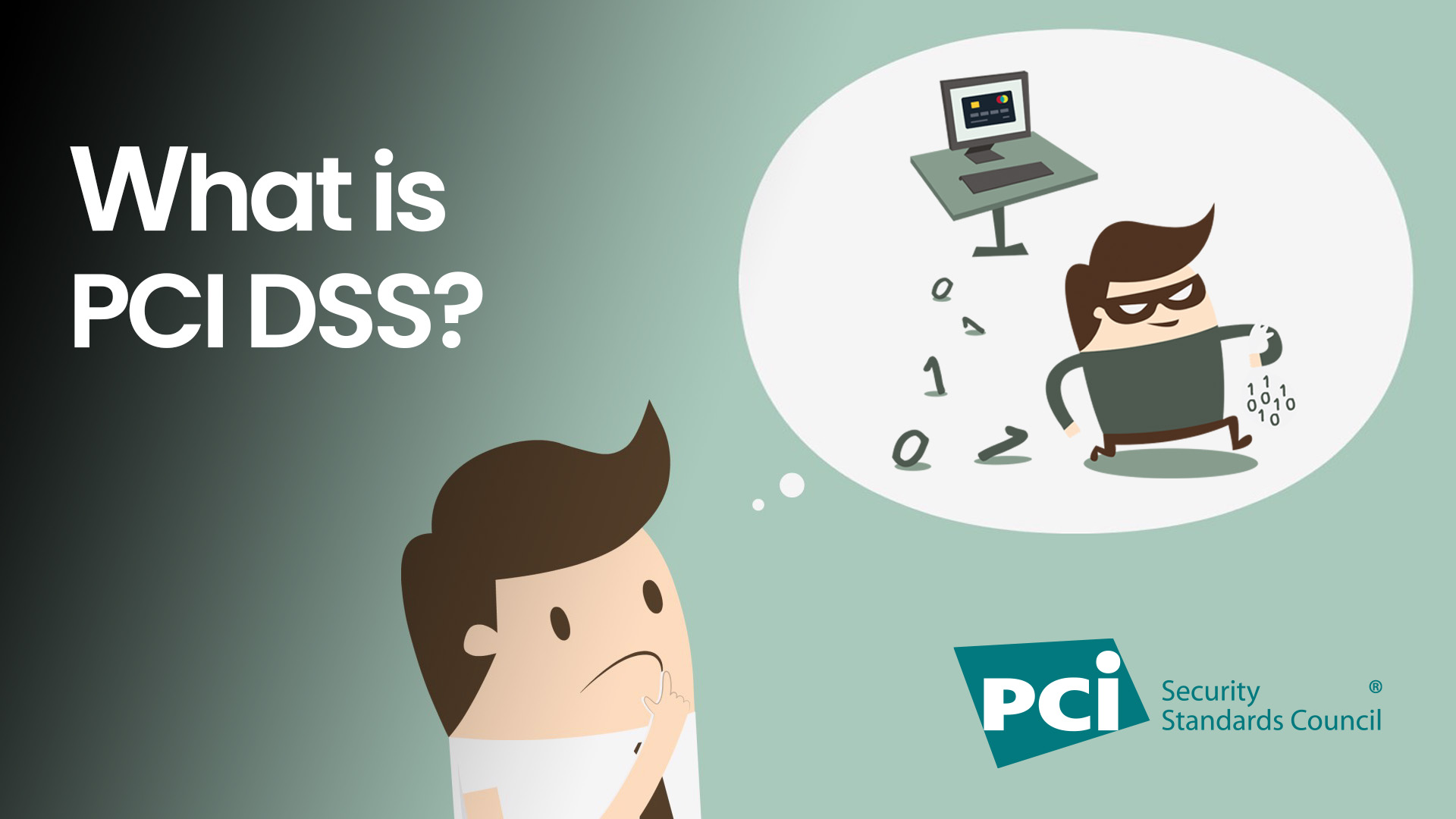
What does PCI DSS stand for?

PCI DSS stands for the Payment Card Industry Data Security Standard (PCI DSS). PCI DSS applies to your organization if you store, process or transmit sensitive cardholder data. You will need to achieve and maintain compliance to protect your business, agents and customers from fraud risk and data breaches. While not a legal obligation, it is required by the leading card companies for taking credit or debit card payments. If you suffer a breach and are found non-compliant - the significant fines can be crippling.

PCI compliance is more complex to achieve when agents need to receive cardholder data over the telephone or Chat. Anything that cardholder data touches is in scope from agents seeing and hearing the data, to the systems they interact with to process the information.

Watch video

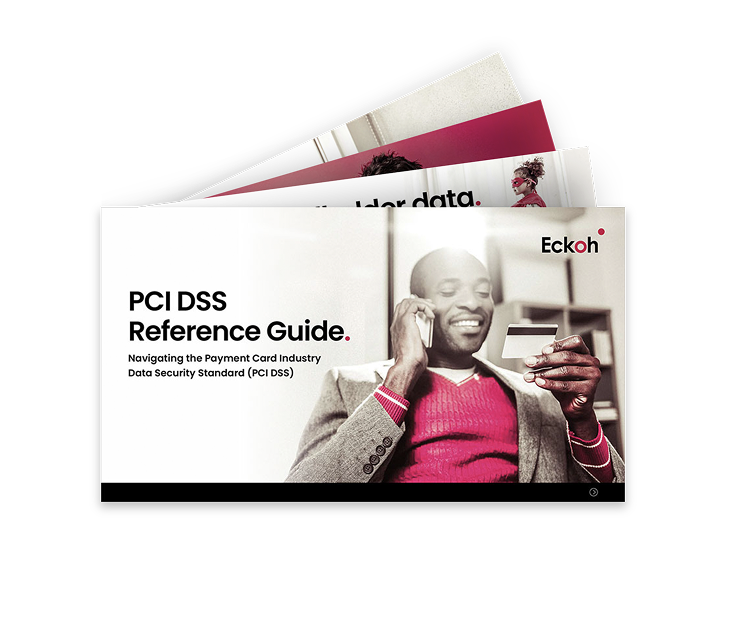
PCI DSS 4.0 Reference Guide

Learn the latest on navigating the Payment Card Industry Data Security Standard
Where does PCI DSS compliance apply?

The scope of a PCI DSS audit is extensive and can require either an external auditor or dedicated internal resource to spend a number of months analyzing and evaluating the environment and internal processes, to determine compliance without a guarantee of ongoing security.

Who is the Payment Card Industry Security Standards Council?

The PCI SSC governs the PCI DSS regulation, offering robust and comprehensive standards to enhance payment card data security that merchants must comply with. Compliance monitoring comes in the form of an annual audit that concentrates on three main areas:

  • Data collection and storage processes
  • Reporting data protection processes
  • Monitoring and alerting use of data
PCISSC

Benefits of PCI DSS compliance

Sales Conversation
Trusted with card data
  • Ensures your systems are secure and payment data free

  • Gives your customers confidence in doing business with you
Easy
Reputation for security
  • Improves your reputation with acquirers and pay­ment brands

  • Reassures your customers that their card details are in safe hands
Breach
Compliance and security
  • Stay ahead of all potential cyber and security threats

  • Maintaining compliance is a good step toward total security

Other areas of compliance

At Eckoh, compliance is essential for organisations to engage with customers across every channel. Whether supporting PCI DSS, GDPR, or MiFID II requirements, we help ensure sensitive data is handled responsibly throughout every customer journey.


GDPR

Contact centers are more likely to be exposed to, handle, use or store personal data of your customers. That means that GDPR will apply.

MiFID II

The Markets in Financial Instruments Directive now impacts a wider range of firms and people, this includes contact centers.